


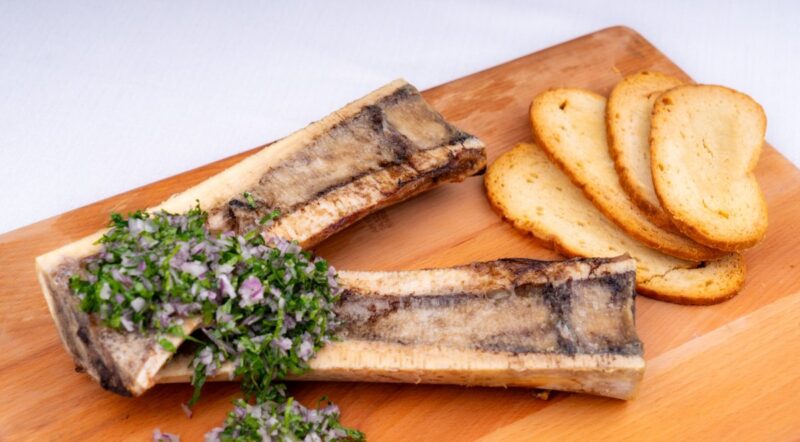
When the air turns cool and the first autumn rains fall on the cobbled streets of Sultanahmet, what we crave at the table changes: warmer, richer and more deeply rooted flavours. On the menu at Nuz Restaurant, the two dishes that suit this season best share the same treasured ingredient: bone marrow. One is the Lentil Soup with Bone Broth, made on a base of slow-simmered beef bones; the other is Bone Marrow & Piyaz, roasted marrow served with a finely chopped onion salad. In this article we explore marrow culture, the place of bone broth in Anatolian cooking and how to enjoy these two dishes on an autumn evening in Sultanahmet.
Why Marrow and Bone Broth in Autumn?
In Anatolia, the cooking of the cold season is the cooking of patient pots. Bones are simmered in water for hours, the marrow slowly melts into the liquid and the result is a broth that warms you with both its aroma and its body. In traditional households, a marrow bone bought from the butcher was considered a small treasure that fed the family for several meals: first its broth went into soups, pilafs and stews, and then the marrow inside the bone was spread on bread and eaten.
Marrow is the soft, rich and remarkably aromatic tissue hidden inside the bone. When it meets heat it melts, takes on a texture reminiscent of butter and gives every dish it touches a depth of flavour that is hard to achieve any other way. This is why many chefs call marrow “the essence of meat”. It is no coincidence that a bowl of soup made with marrow is so loved on the first chilly evenings of autumn; marrow is one of the ingredients that best matches the mood of the season.
The kitchen philosophy at Nuz Restaurant is rooted in this same tradition. Under the motto “the heritage of Anatolia at Nuz’s table”, marrow finds its place both among the starters and in the soup. That means marrow lovers can enjoy two very different experiences at a single table in Sultanahmet.
Lentil Soup with Bone Broth: Depth from the Bone
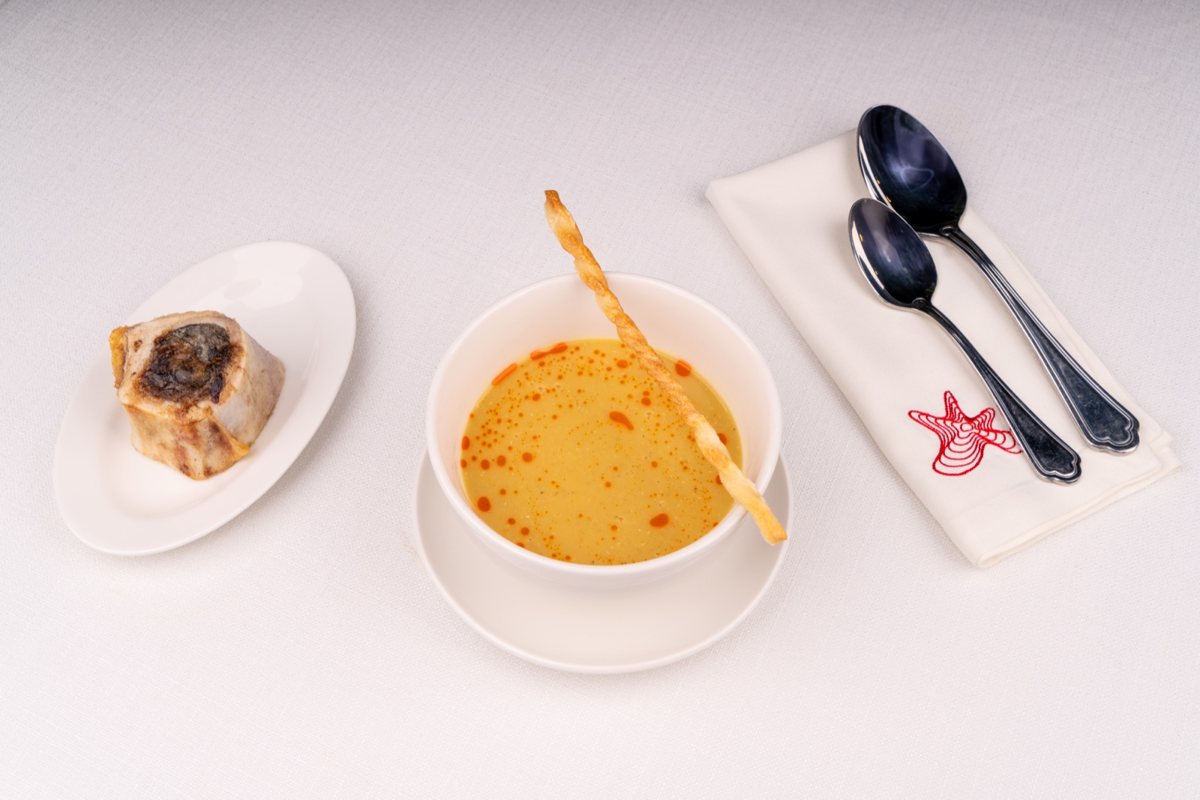
Lentil soup is perhaps the most familiar flavour in Turkish cuisine; almost every home and every local eatery has its own version. The Lentil Soup with Bone Broth on the Nuz menu takes this familiar bowl one step further: instead of plain water, its foundation is beef bone broth. Because the broth comes from marrow bones simmered for a long time, it gives the soup both body and a gentle, silky texture.
In a classic lentil soup, the dominant flavours are the lentils themselves and the buttery topping. In the marrow version, every spoonful carries a distinct savoury, meaty note in the background. This richness never feels heavy; on the contrary, it balances the mild taste of the lentils and turns the soup into something nearly as satisfying as a meal on its own. Melted butter and red pepper flakes drizzled on top combine with the marrow fat to create that familiar red ring on the surface of the bowl.
To enjoy the soup at its best, we recommend squeezing in a few drops of lemon. The acidity cuts through the richness of the marrow and brings the lentil flavour forward. Together with fresh bread, a warm bowl of this soup is the most natural way to warm up, especially after a long day of sightseeing around Sultanahmet.
Why does bone broth make such a difference?
Bone broth forms as collagen, minerals and the fat from the marrow pass from the bones into the water. With heat, collagen turns into gelatin, which is what gives the soup its light, velvety texture. The marrow adds fat and aroma. As a result, even with the same lentils, the same spices and the same cooking time, a soup made with bone broth has a far fuller flavour profile. This is why so many soups in traditional Anatolian cooking are described as being made “with meat stock” or “with bone broth”.
Bone Marrow & Piyaz: The Flavour Inside the Bone
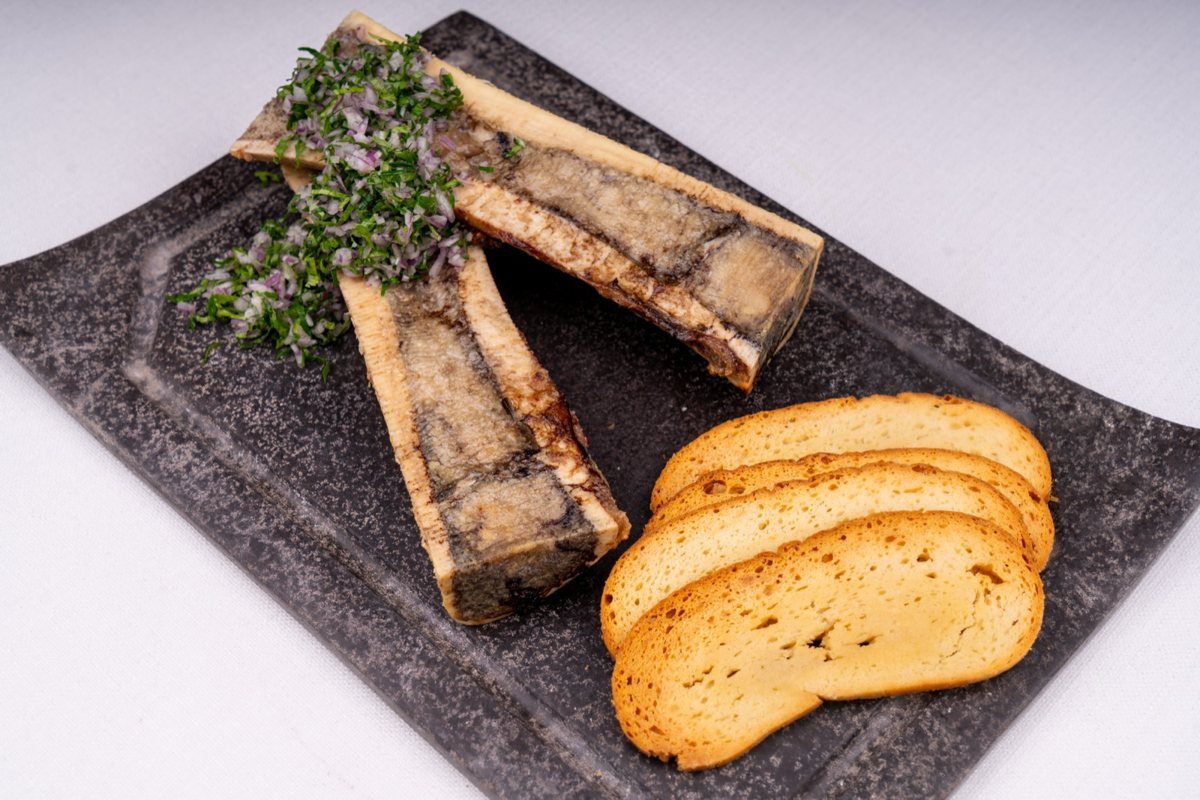
Listed among the hot starters, Bone Marrow & Piyaz is the real meeting point for marrow lovers. A beef bone, split lengthwise, is roasted until the marrow melts and turns lightly golden. When it reaches the table, the marrow inside is soft, hot and ready to be scooped with a spoon. At Nuz, this dish is served with finely chopped onion piyaz, a simple and refreshing onion salad.
The piyaz plays an important role on this plate. Marrow is rich and fatty; eaten on its own, it can feel heavy after a few bites. The sharpness of finely chopped onion, the freshness of parsley and the gentle tang of sumac balance that richness. Spread warm marrow on bread, add a little piyaz on top, and you immediately understand how rich and fresh flavours can live in harmony.
Bone marrow is a starter made for sharing. At a table of two or three, it can be ordered for the middle before the main course, so that everyone enjoys a few bites while the conversation warms up. For meat lovers, it is also a perfect introduction to the grills and dry-aged cuts that follow.
The Marrow Tradition in Anatolian Cuisine
Marrow holds a special place in many regions of Anatolia. In the east and southeast of the country, dishes cooked with bone-in meat are known for long cooking methods in which the marrow melts into the food. During preparations for winter, the bones of the animals were never thrown away; they went into soups, stews and pilafs. In many families there was even a “marrow share”: when the bone arrived at the table, who would get the marrow was a small negotiation of its own.
The idea of using every part of the animal, inherited from Mesopotamian and Anatolian kitchens, has survived from times when avoiding waste was a way of life. The menu at Nuz Restaurant reinterprets this ancient culinary heritage with modern presentation. Baking its own bread from additive-free heirloom wheat and featuring products with geographical indication are part of the same respect for these roots. Dishes with marrow are among the most tangible examples of this philosophy at the table.
Today, marrow has been rediscovered by cuisines all over the world, and many acclaimed restaurants serve roasted marrow as a starter. In Anatolia, however, this flavour was never forgotten; it simply travelled from neighbourhood eateries and home kitchens to the tables of modern restaurants in historic districts like Sultanahmet.
How to Eat Marrow: A Short Guide at the Table
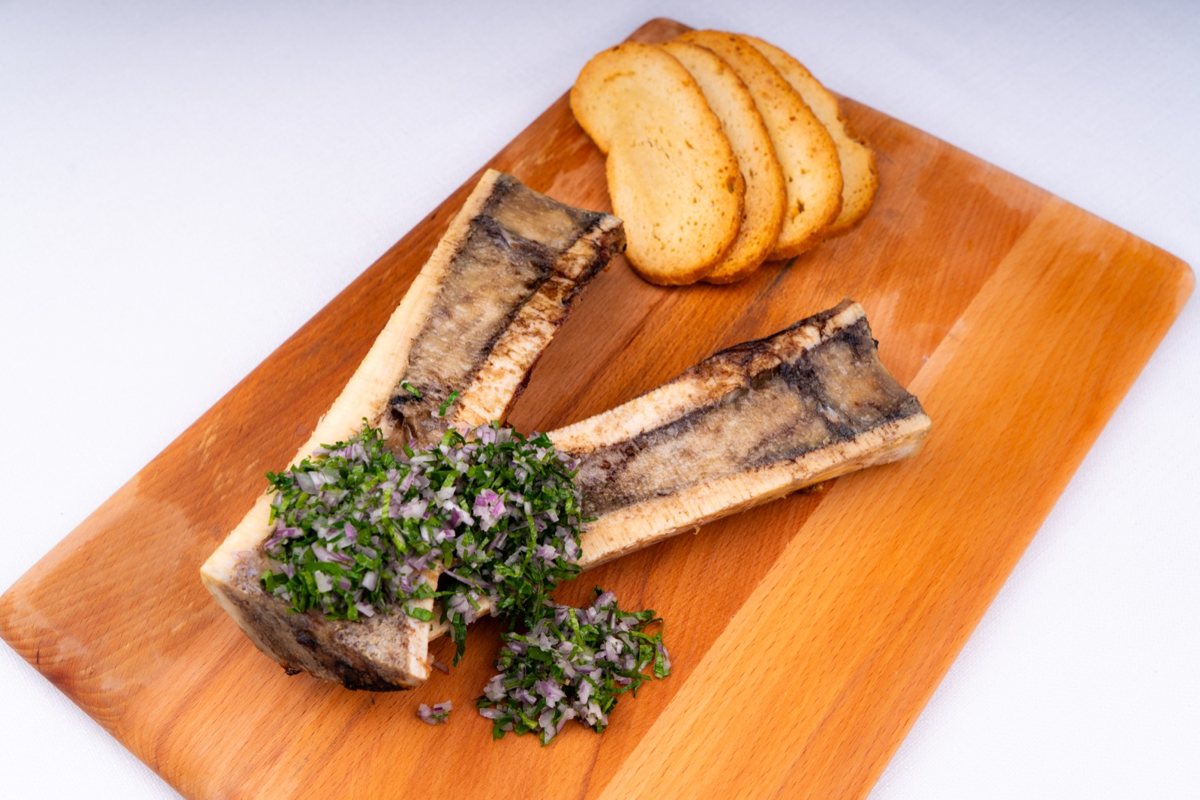
If you are trying a marrow dish for the first time, a few small tips will make the experience even more enjoyable:
- Start while it is hot: Marrow firms up as it cools. Taking the first bite as soon as the plate arrives lets you catch it at its softest.
- Use the bread: Scoop the marrow from the bone with a small spoon or knife and spread it on bread. Nuz’s bread, made from heirloom wheat, is an ideal base.
- Don’t skip the piyaz: Adding a little onion salad to each bite balances the richness and refreshes the palate.
- Go easy on the salt: Marrow is already intensely flavoured; taste a bite before adding more salt.
- Share it: Bone marrow works best as a starter where several people each enjoy a bite or two.
With the soup, the rule is even simpler: stir the bowl so that the marrow and butter are evenly distributed, then adjust the taste with lemon. Lentil soup with bone broth is a soup whose flavour deepens with every spoonful.
After Soup and Marrow: Completing the Table
A starter built around marrow prepares the ground for the rest of the meal. Many of our guests begin with the soup or the bone marrow and then move on to the meat section of the menu. Dry-aged ribeye, beef lokum or grilled beef fillet are natural next steps. To learn more about doneness levels and dry-aged beef, take a look at our steak guide.
For a lighter flow, starting with cold mezes is a lovely alternative. Muhammara, spicy ezme, topik or mutabbal balance the richness of the marrow dishes with fresh flavours. We describe Anatolian meze culture and the selection at Nuz in detail in our article on Anatolian mezes.
Meatball lovers can choose the Nuz Köfte, made with beef brisket and suet. You can read about the regional styles of Turkish meatballs and the story behind this recipe in our article on Turkish meatballs. Whichever path you choose, a marrow starter gives the rest of the evening a warm and satisfying beginning.
Bread, Drinks and Pairings
Bread is the best friend of any marrow dish. Nuz Restaurant bakes its own bread from additive-free heirloom wheat. With a lightly crisp crust and a soft crumb, it is perfect both for dipping into soup and for spreading marrow. Its plain, slightly tangy taste forms a base that carries the rich aroma of the marrow.
Among drinks, the refreshing ayran or the tangy şalgam (fermented turnip juice) pair especially well with marrow. Şalgam’s sour and slightly spicy character cuts through the richness. For those who prefer something hot, Turkish tea is a good companion, and a cup of Turkish coffee at the end of the meal closes the table in the traditional way.
Before moving on to the main course, you may also want to add a small salad. The salad with Erzincan tulum cheese or the shepherd’s salad with Kars cheese is ideal for refreshing the palate after a marrow starter. Made with cheeses that carry geographical indication, these salads bring different regions of Anatolia together at the same table.
An Autumn Evening in Sultanahmet
Sultanahmet takes on a different kind of beauty in autumn. The summer crowds thin out, the evening light falls more softly on the domes of Hagia Sophia and the Blue Mosque, and the scent of roasted chestnuts drifts through the streets. After a day spent exploring Topkapı Palace, the Basilica Cistern or the Grand Bazaar, a warm bowl of soup made with marrow on a cool evening is one of the best ways to shake off the fatigue.
Nuz Restaurant sits in the heart of Sultanahmet, within walking distance of the landmarks of the historic peninsula. With its garden and indoor dining room, it offers a different atmosphere in every season; in autumn, the indoor salon and warm dishes take centre stage. If you are curious about the garden atmosphere, see our article on the garden restaurant in Sultanahmet. If you are planning a meat-focused dinner in the city, our guide to the best meat restaurant in Istanbul may also help.
Frequently Asked Questions
How is lentil soup with bone broth different from classic lentil soup?
Classic lentil soup is usually made with water or vegetable stock. In the marrow version, the base is beef bone broth, which gives the soup a fuller body and a distinct savoury aroma.
How many people is the bone marrow starter for?
Bone marrow is a hot starter that is ideal for sharing. At a table of two or three, it can be ordered for the middle before the main course.
Is marrow a heavy food?
Marrow is rich and intense. At Nuz it is served with onion piyaz, which balances the flavour; still, sharing it in a few bites per person is the most enjoyable way to eat it. If you follow a special diet, feel free to ask our team before ordering.
What should I order after the marrow dishes?
Meat lovers can choose the dry-aged ribeye, beef lokum or grilled beef fillet. For a lighter flow, cold mezes and salads are a good option.
Conclusion
Marrow is one of the oldest and most beloved flavours of Anatolian cuisine. At Nuz Restaurant you can enjoy it in two different ways: the Lentil Soup with Bone Broth and the Bone Marrow & Piyaz. On a cool autumn evening, surrounded by the historic atmosphere of Sultanahmet, a meal that begins with these two dishes brings the spirit of the season to the table. On your next visit to Sultanahmet, start your dinner with marrow.
