


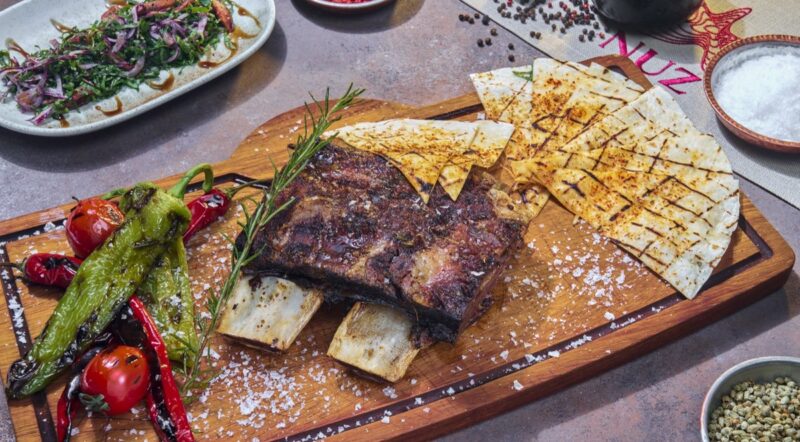
Ask any butcher or grill master which part of the animal is the most flavourful and many will give you the same answer: the rib. Sitting close to the bone and marbled with fat and connective tissue, rib meat becomes both meltingly tender and deeply aromatic when it is cooked the right way. On the menu at Nuz Restaurant, rib appears in several forms: the slow-cooked Beef Rib Tandır, the elegant Lamb Rack, dry stuffed vegetables cooked on a bed of lamb ribs, and a beef rib burger finished with Divle Obruk cheese. In this article we introduce the rib dishes waiting for you in Sultanahmet, the tandır tradition behind them and our suggestions for sharing at a large table.
Why Is Rib Meat So Loved?
The rib section is the meat surrounding the bones of the rib cage. Here, the muscle fibres are laced with fine streaks of fat and plenty of connective tissue. Cooked quickly, this tissue can stay tough; cooked slowly at low temperature, it turns into gelatin, and the meat becomes so tender that it falls away from the bone on its own and melts in the mouth.
The bone itself is part of the flavour. During cooking, the bone distributes heat slowly and evenly, the meat next to it stays juicier, and the aroma of the bone seeps into the meat. That is why a bone-in rib offers a far deeper taste than a boneless cut. It is also why, across Anatolia, rib dishes have long been the centrepiece of special occasions, from holiday feasts to wedding dinners.
Rib is also the meat of sharing. When a large rib or a whole lamb rack is placed in the middle of the table, everyone takes a portion from the same plate. The fact that the rib dishes at Nuz Restaurant are served in portions for two and for four reflects this tradition perfectly.
Beef Rib Tandır: The Taste of Patience
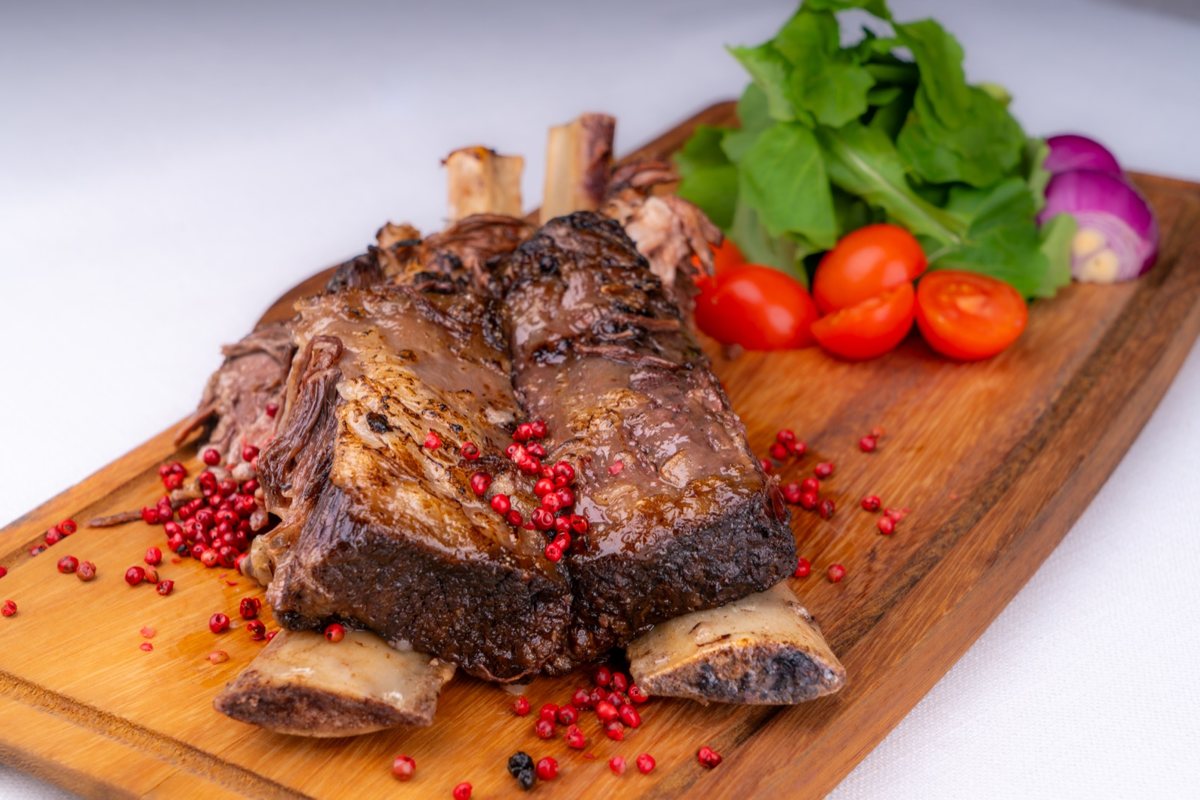
Listed among the main dishes, the Slow-Cooked Beef Rib Tandır is served for two and is one of the most talked-about plates at Nuz. True to the traditional method it is named after, the tandır is cooked at low heat for a long time. During this process the connective tissue in the beef rib melts, the fat slowly works its way into the meat, and the rib reaches a texture that pulls cleanly away from the bone and separates into tender strands.
When the plate arrives at the table, the first thing you notice is the dark, glossy crust on the outside of the rib. This crust is the caramelised layer that forms on the surface of the meat during the long cook, and it carries the characteristic aroma of tandır. Inside, the meat is moist and soft. Press gently with a fork and the rib slides off the bone; you will hardly need a knife.
Because the beef rib tandır is served for two, it is ideal for a shared dinner. Ordered for a couple, two friends or one end of a larger table, it forms a complete meal together with its sides. The rich flavour of the rib finds a lovely balance with light vegetables and roasted potatoes.
The Tandır Tradition: From Earth Oven to Table
Tandır is one of the oldest cooking methods in Anatolia. A traditional tandır is a pit dug into the ground and lined with stone or clay. A wood fire is lit at the bottom, and once it has burned down to glowing embers, the meat is lowered inside, the opening is sealed, and it is left to cook slowly in its own steam for hours. Because this method keeps the heat steady and even, it is perfect for cuts rich in connective tissue, like rib.
In many parts of Anatolia, the tandır is part of both everyday life and celebrations. In villages, bread is baked in the same oven; at weddings, religious holidays and when welcoming guests, meat from the tandır becomes the most important dish on the table. Rib tandır is one of the best-loved examples of this tradition.
In modern restaurant kitchens, the logic of the tandır lives on through low temperature and long cooking times. This is exactly the philosophy of the kitchen at Nuz Restaurant: to reinterpret the ancient culinary heritage of Mesopotamia and Anatolia in a modern kitchen, with the same patience and care. The beef rib tandır is the most tangible expression of this approach at the table.
Lamb Rack: The Most Elegant Rib Cut
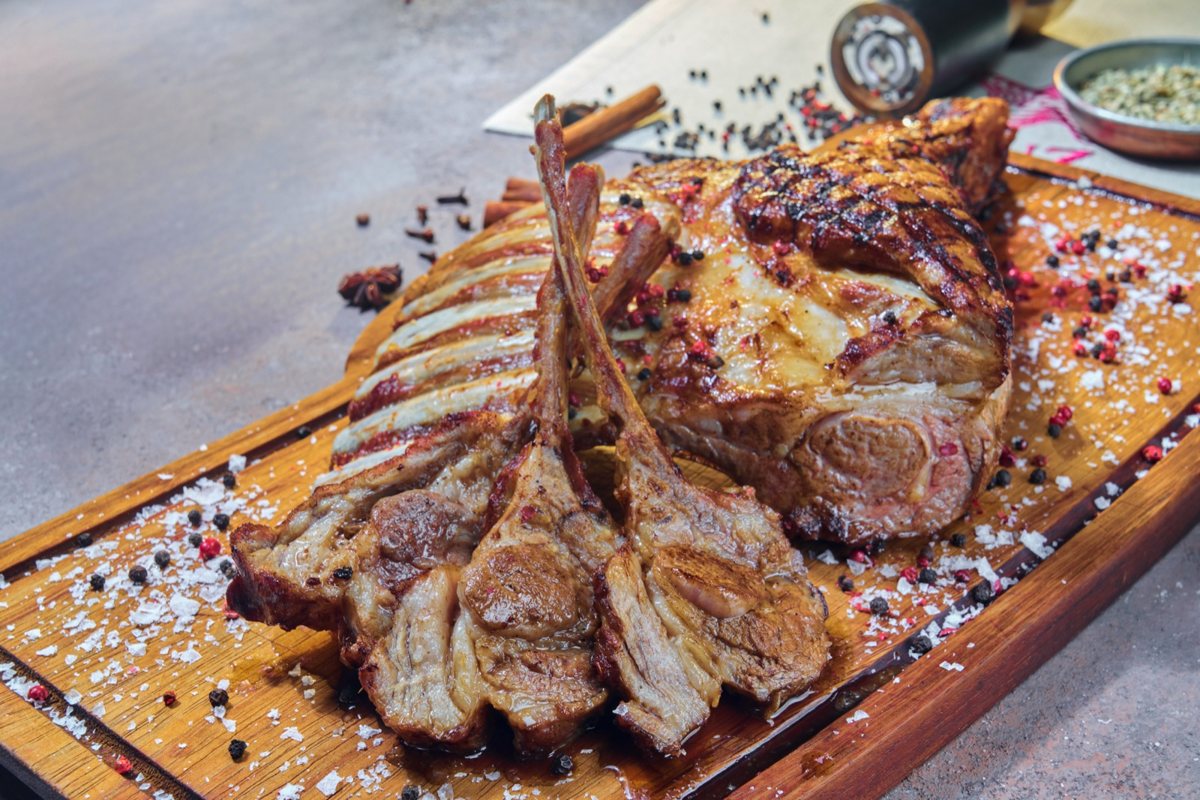
Rib is not only about beef. The rib section of the lamb forms the cut known around the world as rack of lamb, called kuzu kafes in Turkish. The rack is an elegant cut in which the rib bones are kept together and their tips are cleaned. Once cooked, the bones stand in a row like a crown, creating an impressive sight when the plate arrives at the table.
At Nuz, the Lamb Rack is served for two to four people. Lamb rib is finer and lighter in texture than beef rib, with a distinctive, gently earthy aroma that makes it a favourite among lamb lovers. Each portion cut between the rib bones is practical enough to be eaten by holding the bone, which makes it a perfect fit for a shared table.
What people love most about the lamb rack is its balanced cooking: lightly browned on the outside, juicy on the inside. The parts nearest the bone are especially flavourful; the thin strips of meat around each rib bone are often the most fought-over bites on the plate.
Dry Stuffed Vegetables on Lamb Ribs
Among the hot starters on the menu, there is another special dish built around rib: Dry Stuffed on Lamb Ribs. Here, dolma made from sun-dried vegetables are arranged on a bed of lamb ribs and cooked together. As they cook, the fat and juices from the ribs seep into the stuffed vegetables, so that each dolma carries the aroma of both the vegetables and the lamb.
Dried dolma is a deep-rooted Anatolian tradition in which aubergines and peppers dried in summer are stuffed and cooked during the winter months. Paired with rib, this humble dish takes on a whole new richness. Ideal for sharing before the main course, it can be the first stop of the evening for rib lovers. For more starter ideas, take a look at our article on Anatolian mezes.
Beef Rib Burger with Divle Obruk Cheese
For a more casual and modern take on rib, the menu includes the Beef Rib Burger. Made with beef rib meat, this burger is finished with Divle Obruk cheese, which carries geographical indication. Aged in the Divle cave in the Ayrancı district of Karaman, this cheese has a sharp, deep aroma that balances the richness of the rib.
The rib burger sits alongside the burger with aged Trakya kashkaval, the Adana burger and the classic burger in the burger section of the menu. We describe them all, along with the Nuz approach to burgers, in our article on the Sultanahmet burger restaurant. If you are looking for a quick but satisfying lunch between sights, the rib burger is the most practical way to get to know rib flavours.
Sides for Rib: Sautéed Vegetables, Roasted Potatoes and Creamy Spinach
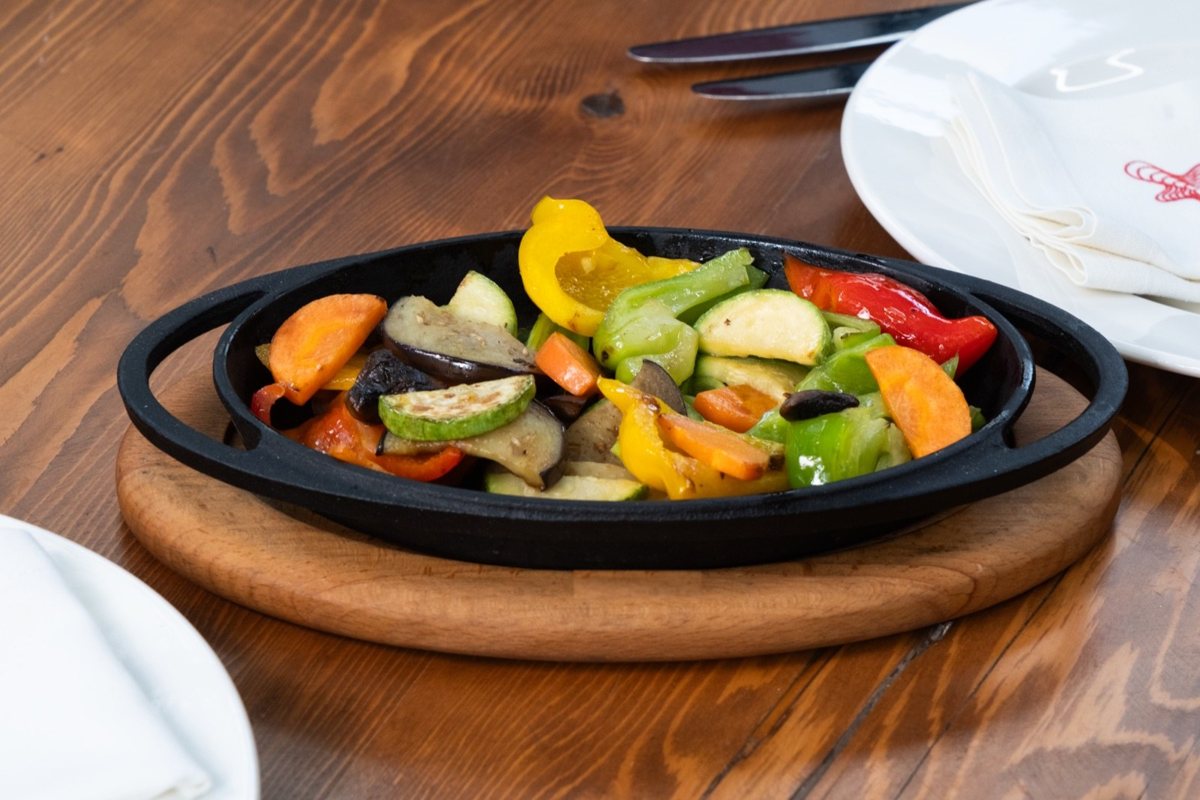
A rich rib dish becomes even more enjoyable with the right sides, and the meat accompaniments at Nuz Restaurant are designed to strike that balance. Grilled baby vegetables, quickly charred or sautéed, provide a fresh counterpoint to the intense flavour of the rib. Their slight crunch contrasts beautifully with the soft texture of the tandır.
Roasted potatoes are the classic companion that soaks up the juices and fat of the rib. Lightly crisp outside and soft inside, they are the tastiest way to make the most of the juices left on the plate, especially alongside the beef rib tandır. Creamy spinach, with its smooth texture and mild taste, pairs especially well with the lamb rack.
Adding a salad completes the table. The salad with Erzincan tulum cheese or the arugula salad with aged Kars cheese is ideal for refreshing the palate after the richness of the rib. And Nuz’s own bread, baked from additive-free heirloom wheat, is indispensable for mopping up the sauce left on the plate.
Sharing Suggestions for Larger Tables
At Nuz, rib dishes are a popular choice for family dinners, gatherings with friends and celebrations. If you are planning a larger table, we suggest the following combinations:
- Dinner for two: A meze plate to start, the Beef Rib Tandır as the main course and grilled baby vegetables on the side.
- Table for four: Start with the Dry Stuffed on Lamb Ribs, then share the Beef Rib Tandır and the Lamb Rack, with roasted potatoes and creamy spinach as sides.
- For true meat lovers: Add a dry-aged ribeye alongside the rib dishes. To learn about dry-aged beef and doneness levels, read our steak guide.
- A light lunch: The Beef Rib Burger and a salad.
If you are looking for a meat-focused dinner in Istanbul, you can also discover Nuz’s meat culture and menu options in our article on the best meat restaurant in Istanbul. Since the rib dishes require long cooking, we recommend making a reservation in advance for larger groups.
Enjoying Rib in Sultanahmet
Nuz Restaurant is set within the historic fabric of Sultanahmet, a short walk from Hagia Sophia, the Blue Mosque and Topkapı Palace. After a day exploring the historic peninsula, crowning the evening with a slow-cooked rib dish is one of the best ways to complete your Istanbul experience at the table. In autumn and winter our warm dining room, and on summer evenings our garden, set the scene for a rib feast. If you are curious about the garden atmosphere, see our article on the garden restaurant in Sultanahmet.
Frequently Asked Questions
How many people is the beef rib tandır for?
The Beef Rib Tandır is served for two on the Nuz Restaurant menu. With a side and a salad, it makes a complete meal for two people.
What is the difference between a lamb rack and lamb chops?
A lamb rack is a whole cut in which the rib bones are kept together, and it is served for sharing. Lamb chops are individual portions cut from this section. At Nuz, the lamb rack is served for two to four people, and the menu also features grilled lamb chops.
Why is tandır so tender?
Tandır is cooked at low heat for a long time. During this process the connective tissue in the rib turns into gelatin and the meat becomes tender enough to come away from the bone easily.
Which cheese is used in the rib burger?
The rib burger is made with Divle Obruk cheese, which carries geographical indication. It is a cave-aged Anatolian cheese known for its sharp aroma.
Conclusion
In Anatolian cuisine, rib is a symbol of patience, sharing and table culture. At Nuz Restaurant you can enjoy rib in all its forms: the slow-cooked Beef Rib Tandır, the elegant Lamb Rack, dry stuffed vegetables cooked on lamb ribs and the beef rib burger with Divle Obruk cheese. Whether you want to gather a large table in Sultanahmet or enjoy a long dinner with the people you love, the rib dishes are waiting for you.
